
The Webs That Connect Us
Exploring the living intelligence that links body, forest, and community — the fascia, the mycelium, and the fabric of relationships that hold us together.

Body-Wide • Wood-Wide • We-Wide*
There’s an elegant intelligence running through all living things, a rhythm of connection that links body, forest, and community. Though these systems may seem separate, they share the same language: relationship, communication, and response.
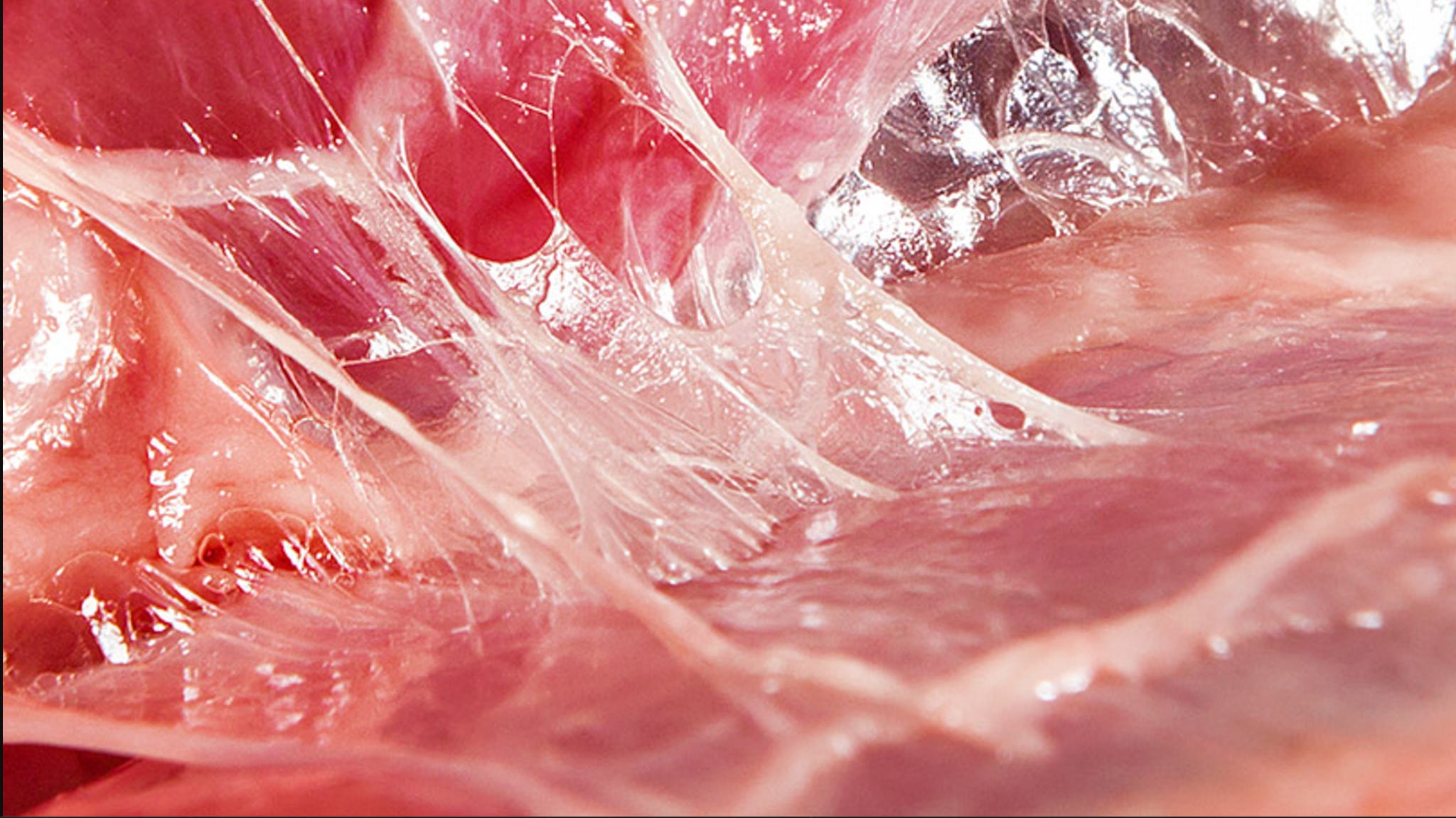
In the body, fascia forms a continuous inner web of sensation.
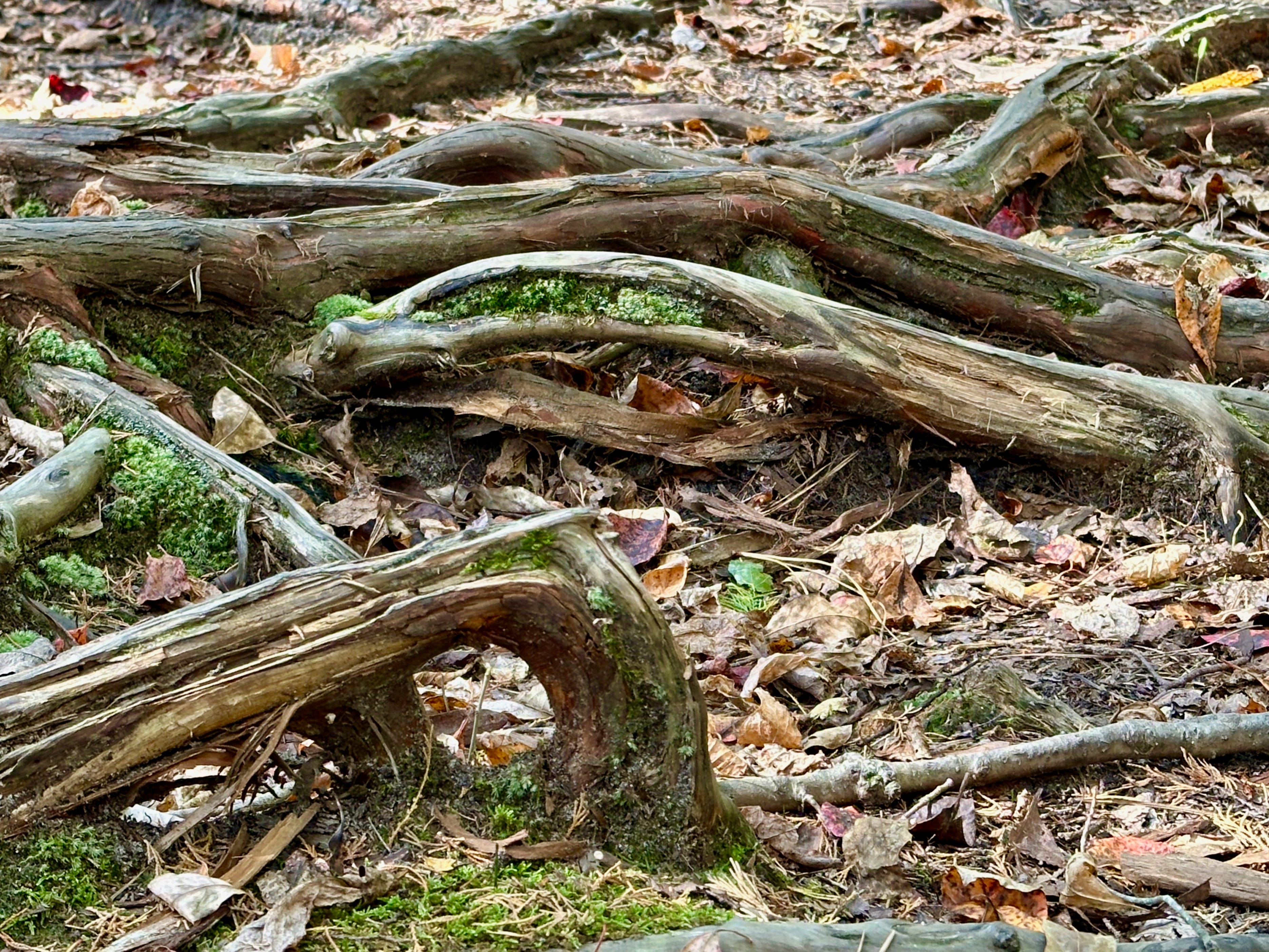
In the forest, mycelium stretches through the soil, connecting trees in mutual exchange.
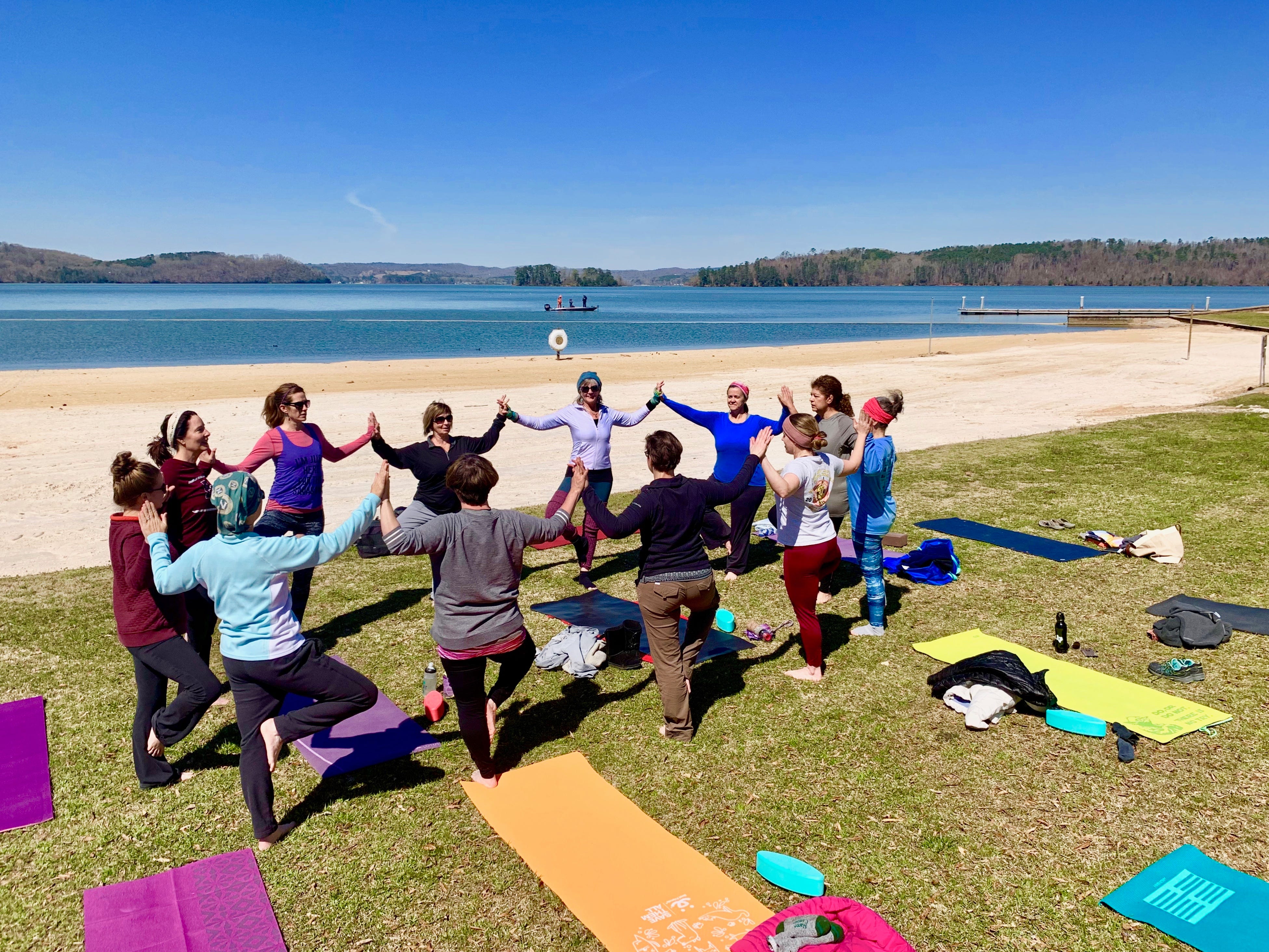
In the community, unseen threads of empathy and collaboration bind us together.
Each is a living web; one biological, one ecological, one social, yet all three reflect a shared truth: life thrives through connection.
The Body-Wide Web: Fascia
Beneath the skin, fascia forms a shimmering matrix, a connective tissue that wraps, supports, and communicates across every cell. It gives structure its grace and movement its coherence.
Form: A three-dimensional network of collagen, elastin, and fluid.
Function: Transmits mechanical, chemical, and electrical information across the body.
Qualities: Adaptive, responsive, resilient, integrative.
Science now calls fascia the body’s largest sensory organ. It listens. It responds. It remembers. When fascia moves well, we feel spacious and aligned; when it stiffens, we feel separate and constrained.
Fascia is our fabric of form — the physical expression of how we hold, move, and relate to the world within and around us. Through yoga, breath, and touch, we restore its natural rhythm of communication — our body’s version of belonging.
The Wood-Wide Web: Mycelium
Beneath the forest floor, an invisible network hums with life. Mycelial threads (hyphae) interlace through soil, forming partnerships with roots in a shared exchange economy.
Form: Microscopic fungal filaments linking trees and plants.
Function: Transfers water, nutrients, and chemical signals across the forest.
Qualities: Cooperative, regenerative, adaptive, reciprocal.
Research from Suzanne Simard and Merlin Sheldrake reveals that forests behave as communities — sharing, warning, and nurturing across species lines. Trees send resources to their young, tend to the ill, and communicate distress. The forest, like the body, self-organizes through care.
The We-Wide Web: Human Community
In the human realm, we, too, are part of an unseen web. Connection — through conversation, touch, and empathy — shapes our nervous systems, health, and collective resilience.
Form: Networks of relationship, shared purpose, and emotional exchange.
Function: Facilitates collaboration, regulation, and collective adaptation.
Qualities: Relational, compassionate, resilient, co-creative.
Sociologist Margaret Wheatley describes community as “the living fabric of relationships.”
Just as fascia holds the integrity of the body, this living fabric holds the integrity of belonging. Where fascia is our fabric of form, community is our fabric of meaning; a relational web that makes coherence possible.
Healthy communities, like fascia and mycelium, are fluid and responsive, thriving when communication flows freely.
The Art, Science, and Metaphor of Connection
Each web — body, forest, and community embodies the same underlying principle: communication creates coherence.
The art lies in the pattern, the elegant symmetry across systems.
The science lies in the evidence, fascia’s connectivity and sensory communication, mycelium’s nutrient signaling, and the brain’s social neurobiology.
The metaphor lies in what these systems teach us about being human, that resilience is born from relationship, and belonging is the medicine that sustains all life.
When we begin to see these parallels, awareness deepens. We move differently. We listen more closely to the body, to the forest, to each other.
In this series, we’ll explore these three webs in greater depth: the Body-Wide Web of fascia, the Wood-Wide Web of the forest, and the We-Wide Web of community, tracing the intelligence that connects them all.
We’ll also explore what happens when these systems lose their connection, and how practices like yoga, touch, breath, and mindful time in nature help restore the rhythm of the relationship at every level.
Because in the end, the health of the system — body, earth, or community — depends on the same living truth:
Connection is the foundation of resilience.
✨ If this story resonated with you, I’d love to welcome you into my circle of readers. Subscribe to receive reflections, science, and practices woven through fascia, forest, and community — gentle invitations to live as part of the web that connects us all.
This is my favorite post yet (and that says something)! I love how you weave science and poetry together in the spirit of the subject of your writing. You skillfully hold the form, function, and qualities of each web and promote a collective feeling of connection and belonging!