
Bound Without Being Crushed
How the body models strength without domination

It holds things together without crushing them.
That phrase stayed with me after I saw the symbol historically associated with fascism: rods bound tightly together. Before my mind went to politics or history, my body saw something else.
It saw soft tissue bundles.
That surprised me, until I remembered this:
the word fascia comes from an old root meaning a band, a bundle, something that binds.
So does fascism.
Same linguistic seed.
Very different expressions.

Language remembers patterns long before we argue about them.
In the body, fascia wraps every fiber. Nothing is left out. Nothing stands alone. The system is unified because everything is connected.
And yet, fascia also creates space between each fiber.
That space matters.
It allows glide.
It allows responsiveness.
It allows individuality inside belonging.
The body is not a single fused mass.
It is a living bundle of bundles, held together with room to move.
This is binding done with care.
When fascia is healthy, it distributes load rather than concentrating it.
It supports without gripping.
It organizes without domination.
Each fiber knows where it belongs, and also knows it can respond.
Unity does not require sameness.
Structure does not require suffocation.
This is not philosophy.
It is anatomy.

What’s even more revealing is how neutral the system is.
Fascia does not judge what we ask of it.
It simply responds.
It deforms and reforms in response to input: posture, repetition, breath, emotion, stress, and rest.
If the request is varied and relational, the tissue becomes resilient.
If the request is rigid and fear-driven, the tissue thickens and hardens.
Not because something is wrong.
Because the system is loyal.
Here is where the root word becomes a teacher.
To bind can mean to support relationship, or it can mean to restrict movement.
The difference is not the binding itself, but how it is done and why.
In the body, binding without space becomes pain.
In systems, binding without space becomes control.
What appears to be unity may actually be compression.
Instead of asking, Is this fascism?
a question that pulls us straight into sides and noise,
the body offers a quieter inquiry:
Is this increasing adaptability, or decreasing it?
Is listening expanding, or narrowing?
Is power distributing, or concentrating?
Is fear driving decisions?
Is sensation being restored, or numbed?
These questions don’t belong to ideology.
They belong to physiology.
The body doesn’t diagnose by name.
It notices tone, pressure, responsiveness, and recovery.
It knows the difference between being held and being bound too tightly.
And it keeps asking us, patiently and without bias:
What are we requesting?
Because the system will answer honestly.
Healthy fascia reminds us, again and again:
You can be bound and still move.
You can belong and still differ.
You can be unified without being crushed.
That wisdom lives in our language, our tissue, and our systems.
We just have to remember to listen.
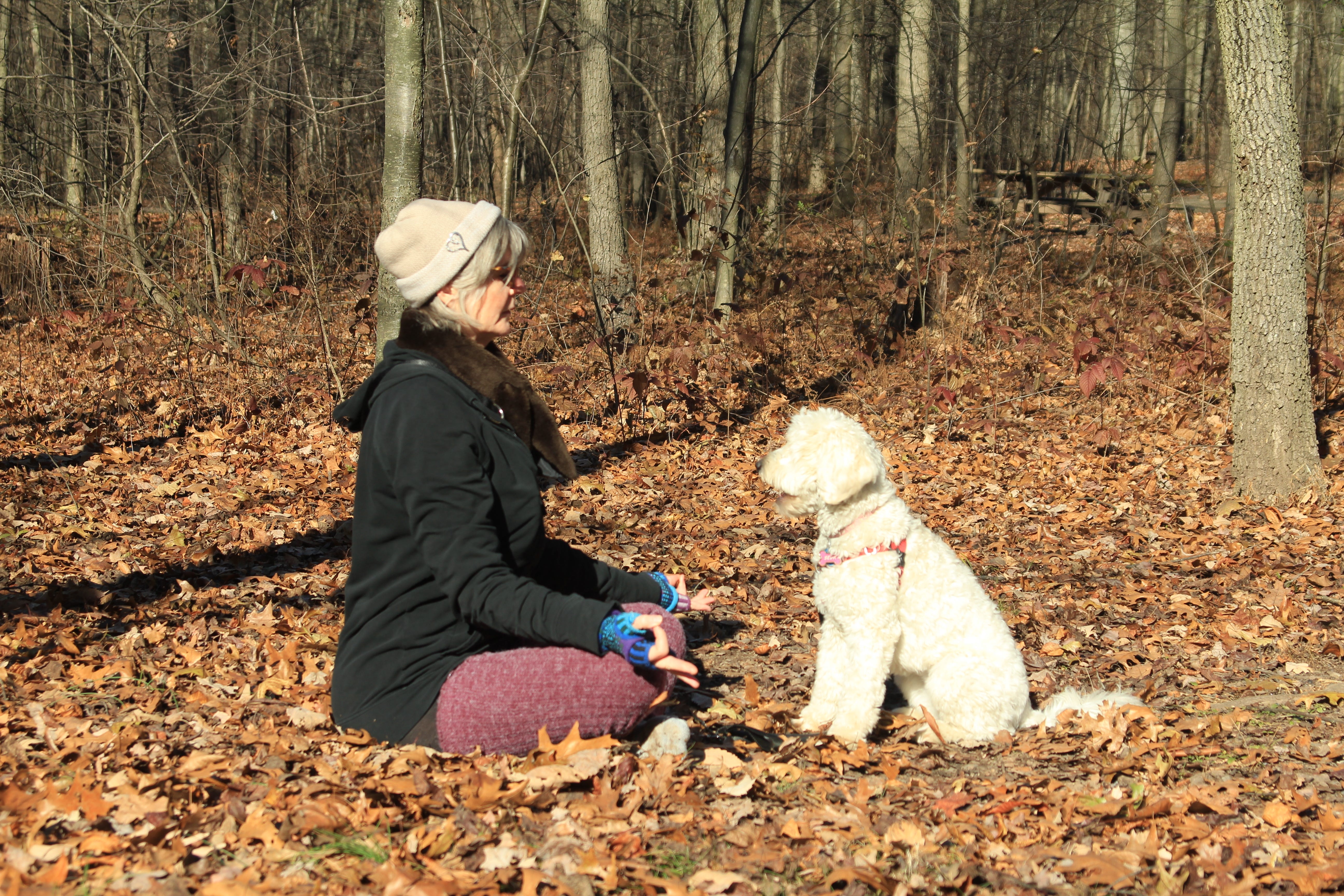
A closing practice: holding with space
Take a brief pause before moving on.
Feel what is supporting you right now, the surface beneath you, the ground below that.
Notice your breath as it is.
Where does it move with ease?
Bring attention to a place in your body that feels held.
Then notice the space around it.
The subtle room.
The possibility for movement.
Without forcing anything, sense whether there is enough space to breathe there.
If it feels right, allow the breath to widen that space slightly.
Not to change anything, just to remind the tissue it can respond.
Let this question rest in the body:
Where am I being asked to hold, and where might I allow more space?
Carry that felt sense with you as you continue.
✨ If this post resonated with you, I’d love to welcome you into my circle of readers. Subscribe to receive stories, reflections, and practices rooted in nature and presence, a gentle rhythm of inspiration to carry with you through the seasons.
Your voice has found its time! Wow!!! Theresa, thank you for your kind wisdom and eloquence!!
Dear Theresa,
I had to read and reread; you understand the body so well. Support without restriction; listen to the body and move and breathe as a unit. This is a wonderful piece for our time.
Yours in bundling of unity, Patricia